
What Makes Cleaning Products Sustainable? Exploring Green Cleaning Options
When I first started thinking about cleaning products, I never gave much thought to their impact on the environment. I just wanted my home and workspace to be spotless. But over time, I realized that not all cleaning products are created equal. Some harm the planet, while others help protect it. This discovery led me to explore what makes cleaning products sustainable and how I can choose better options. If you want to keep your space clean and green, this post is for you.
Understanding Green Cleaning Options
Green cleaning options are products and methods that reduce harm to the environment and promote health. They avoid harsh chemicals, reduce waste, and use renewable resources. When I switched to green cleaning options, I noticed a difference not only in the air quality but also in how I felt about my cleaning routine.
Here are some key features of green cleaning options:
Biodegradable ingredients: These break down naturally without polluting water or soil.
Non-toxic formulas: Safe for people, pets, and plants.
Minimal packaging: Often recyclable or reusable containers.
Renewable resources: Ingredients sourced from plants or other sustainable materials.
Energy-efficient production: Made with less energy and fewer emissions.
Choosing green cleaning options means supporting products that care for the planet and your health. It also encourages companies to adopt better practices.

What Ingredients Make Cleaning Products Sustainable?
One of the biggest factors in sustainability is what goes inside the bottle. Many traditional cleaners contain chemicals that can harm the environment and our bodies. Sustainable cleaning products use safer, natural ingredients that still get the job done.
Some common sustainable ingredients include:
Plant-based surfactants: These help remove dirt and grease without harsh chemicals.
Essential oils: Provide natural fragrance and antibacterial properties.
Vinegar and baking soda: Simple, effective, and safe for many surfaces.
Citric acid: Derived from citrus fruits, great for breaking down mineral deposits.
Enzymes: Break down organic stains naturally.
Avoiding ingredients like phosphates, chlorine bleach, ammonia, and synthetic fragrances is important. These can pollute waterways, cause allergic reactions, and contribute to indoor air pollution.
When I read labels carefully, I look for products that list recognizable, natural ingredients. If the label is full of long chemical names, I usually pass.
How Packaging Impacts Sustainability
Packaging is often overlooked but plays a huge role in sustainability. Many cleaning products come in plastic bottles that end up in landfills or oceans. Choosing products with eco-friendly packaging helps reduce waste.
Here are some packaging tips I follow:
Refillable containers: Some brands offer refill stations or concentrate refills to cut down on single-use plastic.
Recyclable materials: Glass, aluminum, or certain plastics that your local recycling accepts.
Minimal packaging: Less plastic, no extra boxes or plastic wrap.
Biodegradable packaging: Made from plant fibers or compostable materials.
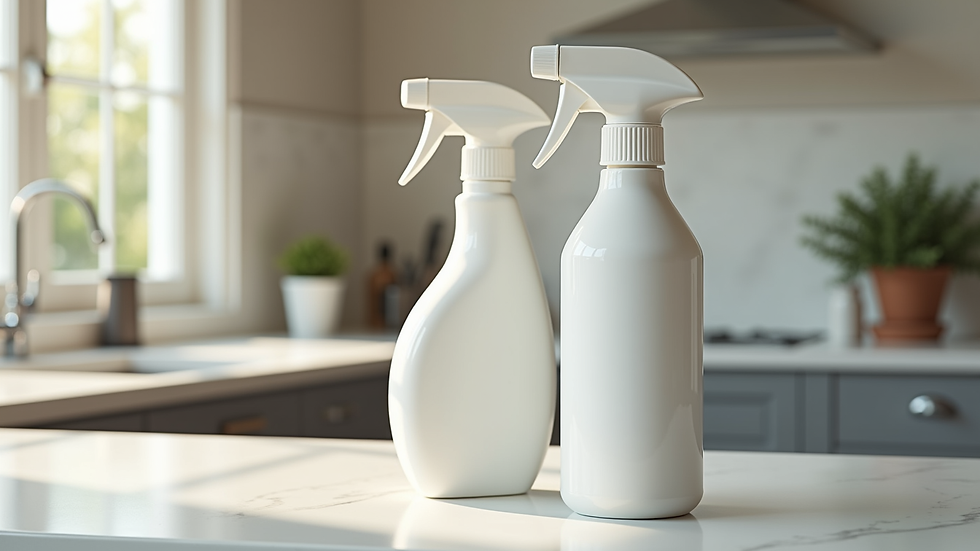
I also try to reuse spray bottles and containers whenever possible. This small step helps reduce the demand for new plastic.
Benefits of Using Sustainable Cleaning Products
Switching to sustainable cleaning products has many benefits beyond just helping the environment. Here are some reasons I encourage everyone to make the change:
Healthier indoor air: Fewer chemicals mean less irritation and better breathing.
Safer for children and pets: Non-toxic ingredients reduce risks of poisoning or allergic reactions.
Less environmental pollution: Biodegradable ingredients and eco-friendly packaging protect water and soil.
Supporting ethical companies: Many sustainable brands focus on fair labor and responsible sourcing.
Long-term savings: Concentrates and refill options often cost less over time.
By choosing sustainable cleaning products, you create a safer, cleaner space for your family or employees. You also contribute to a healthier planet.
How to Make Your Cleaning Routine More Sustainable
Adopting green cleaning options is just one part of a sustainable routine. Here are some practical steps I take to make cleaning more eco-friendly:
Use microfiber cloths: They clean well with just water and reduce paper towel waste.
Limit water use: Avoid running water unnecessarily while cleaning.
Choose multi-purpose cleaners: One product for many surfaces cuts down on waste.
DIY cleaners: Simple recipes with vinegar, baking soda, and lemon juice work great.
Proper disposal: Never pour chemicals down the drain; follow local guidelines.
These small changes add up. They help reduce your environmental footprint while keeping your home or business sparkling clean.
Embracing Sustainable Cleaning in Arlington, TN
Living and working in Arlington, TN, I see how important it is to protect our local environment. Our community values clean air, water, and green spaces. By choosing sustainable cleaning products and green cleaning options, we all play a part in preserving this beautiful area.
If you want to make a positive impact, start with your cleaning routine. Look for products that meet the criteria I’ve shared here. Support local businesses that prioritize sustainability. Together, we can keep Arlington clean and healthy for generations to come.
I hope this guide helps you understand what makes cleaning products sustainable and inspires you to make greener choices. Remember, every small step counts. Clean smart, live well, and protect the planet.
For those interested, I recommend checking out sustainable cleaning products certified by trusted organizations. They offer a great starting point for finding safe and effective options.
Happy cleaning!
Comments